
Table of Contents
- Why Gym Clothes Smell After Washing
- Step 1: Sort Your Workout Clothes by Fabric Type
- Step 2: Pre-Treat With a Vinegar Soak for Gym Clothes
- Step 3: Choose the Best Detergent for Workout Clothes
- Step 4: Wash With the Right Water Temperature and Cycle
- Step 5: Dry and Store to Prevent Gym Clothes From Smelling
- Common Mistakes to Avoid
- Frequently Asked Questions
Last Updated: October 11, 2026
Why Gym Clothes Smell After Washing
Understanding how to remove odors from gym clothes starts with knowing why they smell: synthetic fabrics trap sweat, bacteria, and odor-causing molecules in ways that regular detergent alone cannot fully remove.
The problem gets worse if you don't wash your workout clothes promptly. Bacteria multiply in damp fabrics, creating that stubborn musty smell that survives a standard wash cycle (Microbial Odor Profile of Polyester and Cotton Clothes after a Fitness Session).
This is where understanding fabric buildup matters. Detergent residue, fabric softener, and minerals from hard water accumulate on synthetic fibers over time. Each wash layer adds more buildup, making odors harder to eliminate.
Step 1: Sort Your Workout Clothes by Fabric Type
Before you wash anything, separate your gym clothes by fabric composition. This matters because different materials respond differently to water temperature and cleaning methods.
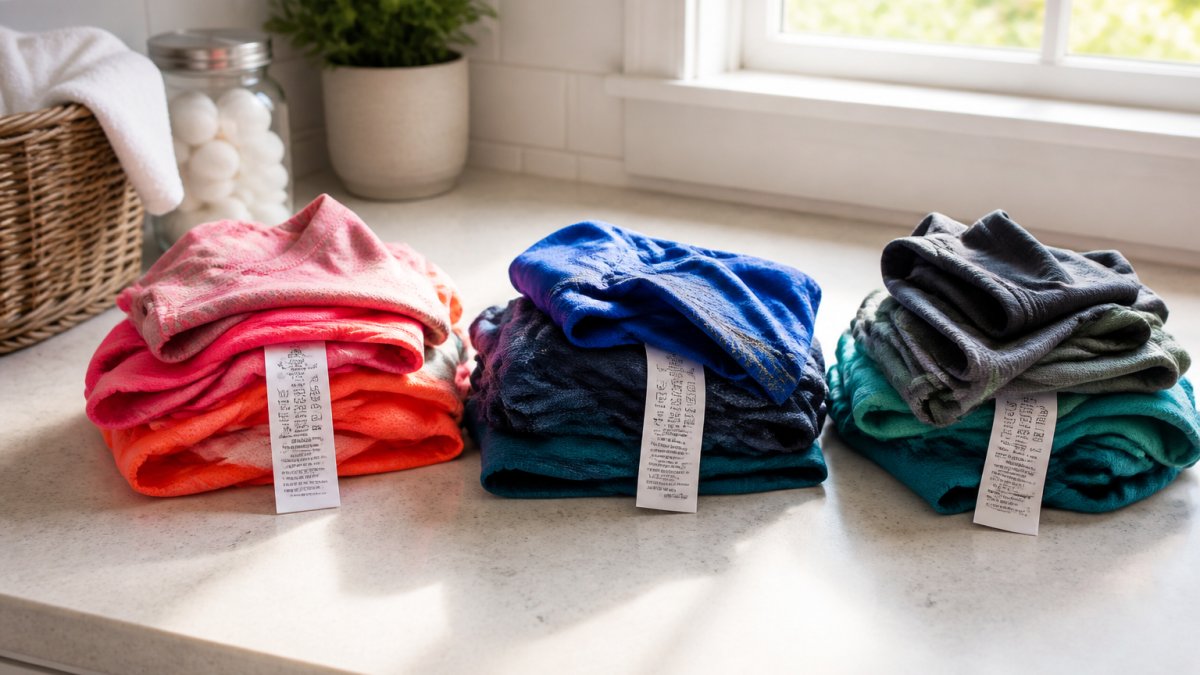
Sort into these groups:
- High-performance synthetics (polyester, nylon, spandex blends), these are your main odor offenders
- Cotton or cotton-blend workout wear, can handle warmer water and stronger treatments
- Delicate fabrics (mesh panels, technical blends with special coatings), need gentler care
Why this separation works: synthetic fabrics shrink at high temperatures, while cotton can handle heat better. Spandex breaks down in hot water. Sorting prevents damage while letting you customize your approach for each material type.
Once sorted, check the care tag on each item. Some technical fabrics have special instructions. Honor those first, a ruined garment defeats the purpose of odor removal.
Step 2: Pre-Treat With a Vinegar Soak for Gym Clothes
A vinegar soak is the most effective pre-treatment for removing odors from gym clothes. White vinegar breaks down odor molecules and kills odor-causing bacteria without damaging synthetic fabrics.
Fill a basin or sink with cool water. Add one cup of white vinegar per gallon of water. Submerge your sorted gym clothes completely. Make sure every piece is underwater, air pockets trap odors.
How Long to Soak
Let your gym clothes soak for 30 minutes to 2 hours. You don't need to soak overnight. Thirty minutes handles light odors. Two hours tackles stubborn, weeks-old smells. Beyond two hours, soaking provides no additional benefit.
After soaking, drain the basin. Do not rinse the clothes yet. The vinegar smell will fade during the wash cycle. Moving directly to washing after soaking ensures the vinegar stays on the fabric long enough to work.
Why Vinegar Works
Vinegar is acidic. It dissolves mineral buildup and detergent residue that traps odors inside synthetic fibers. The acidity also creates an environment where odor-causing bacteria cannot survive. Unlike bleach, vinegar won't damage colored fabrics or weaken elastic.
Step 3: Choose the Best Detergent for Workout Clothes
The best detergent for workout clothes is one formulated to cut through sweat and oil buildup. Standard laundry detergent won't do this effectively. You need a formula designed specifically for athletic wear or one with added odor-fighting power.
Look for detergents that include these characteristics:
- Enzymes that break down protein-based sweat and oils, Proteases and lipases are the active ingredients that dissolve the organic compounds regular detergent leaves behind on synthetic fibers.
- Surfactants that penetrate synthetic fibers, These molecules help water reach deep into polyester and nylon, lifting trapped odor molecules to the surface where they can rinse away.
- Odor-neutralizing compounds, Look for formulas that neutralize odors rather than just masking them with fragrance. Baking soda or activated charcoal in the formula are signs of true odor elimination.
- Formulas labeled for athletic wear or performance fabrics, These are engineered for synthetic materials and typically cost more but deliver better results than general-purpose detergents.
Detergent Dosage and Safety
Using the correct amount matters. Follow the scoop recommendation on your detergent's label based on load size and water hardness. Using more detergent than recommended does not improve cleaning, it leaves residue that traps odors. For heavily soiled loads, use the maximum recommended amount, not double.
If you choose to combine detergent with baking soda or white vinegar, understand the chemistry:
- Detergent + baking soda: Safe. Baking soda boosts cleaning power and neutralizes odors. Add ½ cup baking soda to your wash cycle along with your regular detergent dose.
- Detergent + white vinegar: Safe. Vinegar removes mineral buildup and detergent residue. Add 1 cup white vinegar to the rinse cycle or fabric softener dispenser, not directly with detergent in the wash.
- Baking soda + vinegar together: Avoid in the same wash cycle. These two react chemically and neutralize each other's cleaning benefits. Use baking soda in one wash, vinegar in the next if you need both.
- Never mix vinegar with bleach or oxygen-based cleaners: This creates toxic chlorine gas. Vinegar is acidic and incompatible with oxidizing agents.
Scent Boosters and Fabric Conditioners
Scent boosters (small beads added to the wash) can extend fragrance but are optional. They add cost and fragrance particles that can build up on synthetic fabrics over time. If you use them, limit to every other wash.
Never use fabric softener or dryer sheets on gym clothes. These products coat synthetic fibers with a waxy layer that traps moisture and odors inside. They reduce the moisture-wicking ability of performance fabrics, making clothes feel damp during workouts. Skip them entirely for athletic wear.
Step 4: Wash With the Right Water Temperature and Cycle
When learning how to remove odors from gym clothes, water temperature matters for synthetic fabrics.
Select a gentle or delicate cycle. Despite the name, this cycle still cleans thoroughly. It uses slower agitation that prevents pilling and fiber damage on technical fabrics.
Here's the washing sequence:
- Add your pre-soaked gym clothes to the machine
- Add your chosen detergent (follow the scoop recommendation for load size)
- Select cold water and a gentle cycle
- Run the full wash cycle without interruption
For machines with extra rinse options, select one extra rinse cycle. This removes more detergent residue, which traps odors.
Never use fabric softener on gym clothes. Softener coats synthetic fibers and traps odors inside.
Step 5: Dry and Store to Prevent Gym Clothes From Smelling
How you dry and store gym clothes determines whether odors return. Air-drying is the best method. Hang clothes on a drying rack or clothesline in a well-ventilated space. This prevents heat damage to elastic and synthetic fibers while allowing moisture to escape completely.
If you must use a dryer, select the lowest heat setting and a short cycle (20-30 minutes). High heat breaks down spandex and accelerates odor formation. Removing clothes while still slightly damp and hanging them to finish drying works well and extends garment life.
Storage Practices That Prevent Odor Return
Store gym clothes in a breathable container or drawer. Never seal them in plastic bags or airtight containers immediately after washing. Moisture trapped inside creates conditions for bacteria to regrow and odors to return. Let clothes dry completely in open air before storage.
Between workouts, hang worn clothes in a well-ventilated space rather than tossing them directly into a laundry basket. A few hours of air exposure slows bacterial growth. This simple step reduces odor intensity before the next wash.
Troubleshooting: When Odors Return After Washing
If your gym clothes still smell after following the full washing process, the problem is usually one of these:
Odor returns within 1-2 days of washing:
- The washer itself may harbor bacteria or residue. Run an empty hot-water cycle with 2 cups of white vinegar to clean the drum and hoses. Repeat monthly.
- Clothes may not have dried completely before storage. Ensure 100% dryness before putting away. Slightly damp fabrics stored overnight will develop musty smells.
- The load was too large for the machine. Rewash in smaller batches so water and detergent reach every fiber.
Odor persists even after pre-soaking and washing:
- Repeat the vinegar soak for 2 hours (the maximum effective time) before rewashing. Do not soak longer; there is no additional benefit.
- Increase detergent concentration. Use the maximum recommended scoop for your load size. If odors remain, switch to a detergent specifically formulated for athletic wear.
- Check the garment care label. Some technical fabrics have special instructions that, if ignored, prevent proper cleaning. Honor the label's temperature and cycle recommendations.
Odor returns after the dryer:
- Dryer lint traps and vents may harbor bacteria. Clean the lint trap before every load and run a cleaning cycle monthly (many dryers have a self-clean function; check your manual).
- Heat may be reactivating odor molecules in the fabric. Switch to air-drying instead. If you must use a dryer, use the lowest heat setting.
Musty smell develops in storage:
- Clothes were stored before completely dry. Rewash and air-dry fully before storing again.
- The storage space itself is damp or poorly ventilated. Move clothes to a dry area with airflow. Consider a small fan or open window in the storage space.
- Laundry basket or drawer has absorbed odors from previous loads. Wipe down with a cloth dampened in white vinegar and allow to dry completely.
Common Mistakes to Avoid
Many people make predictable errors that sabotage odor removal.
Washing immediately without pre-treatment. Jumping straight to washing skips the step that actually breaks down odor molecules.
Using hot water. Heat opens synthetic fibers temporarily, but it also damages spandex and accelerates shrinking.
Skipping the extra rinse. One rinse cycle leaves detergent residue that traps odors.
Storing clothes before they're completely dry. Even slightly damp clothes create an environment where bacteria thrives.
Using fabric softener or dryer sheets. These products coat fibers and trap odors.
| Mistake | Why It Fails | The Fix |
|---|---|---|
| Washing without pre-soak | Detergent alone can't break through buildup | Always soak in vinegar first |
| Hot water | Damages spandex and shrinks synthetic fibers | Use cold water every time |
| Overloaded machine | Clothes don't get enough cleaning contact | Wash smaller batches |
| One rinse cycle | Detergent residue remains and traps odors | Use an extra rinse |
| Damp storage | Bacteria regrow in moisture | Air-dry completely before storing |
| Fabric softener | Coats fibers and seals in odors | Skip softener for gym clothes |
Removing odors from gym clothes requires a different approach than regular laundry. Bougie Laundry's concentrated laundry soda, paired with a scent booster, delivers long-lasting fragrance that survives the entire wash cycle and extends through multiple wears.

Frequently Asked Questions
Why do my gym clothes still smell even after washing?
Odor-causing bacteria thrive in synthetic fabrics like polyester and nylon, which retain sweat and body oils that regular detergent cannot fully remove. Detergent residue buildup on performance fabrics also traps odor molecules. A vinegar soak breaks down these odors at their source before washing, and using a scent booster like Bougie's 16 oz Scent Booster intensifies and extends freshness throughout your clothes.
How long should you soak gym clothes in vinegar?
Soak workout clothes in a vinegar solution for 30 minutes to 1 hour before washing. For heavily soiled activewear, extend the soak to 2 hours. White vinegar neutralizes odor molecules and kills bacteria without damaging synthetic fabrics. After soaking, proceed with your regular wash cycle using an odor-fighting detergent to lock in freshness.
What is the best detergent for removing body odor from gym clothes?
Look for detergents formulated specifically for activewear that are tough on odors yet gentle on performance fabrics. Bougie Laundry's concentrated formula dissolves deep into synthetic fibers to lift away sweat, body oils, and residue while leaving long-lasting fragrance. Pair it with Bougie Scent Booster for extra intensity on heavily worn loads, ensuring your gym clothes smell fresh wash after wash.
Can you use fabric softener on gym clothes?
Avoid traditional fabric softeners on gym clothes, they coat synthetic fabrics and trap odor-causing bacteria inside. Bougie Laundry's formula includes a natural softening agent, so no additional softener is needed. For drying, use wool dryer balls instead, which reduce static and drying time naturally while allowing your clothes to breathe and stay fresh.